

Chances Are, You Too Are a Caregiver

Unpaid caregivers—often family or friends—provide vital in-home support for aging or ill loved ones, balancing emotional dedication with growing responsibilities in America’s evolving healthcare landscape.
Difference Between Home Health and Home Care
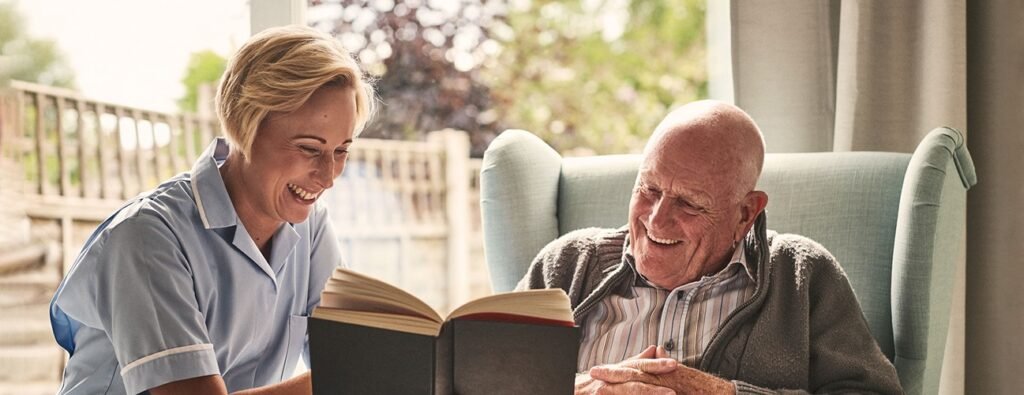
Home health offers medical care from licensed professionals, while home care provides non-medical assistance with daily tasks—often best combined for comprehensive in-home support.
Live-In Home Care: How does it work?
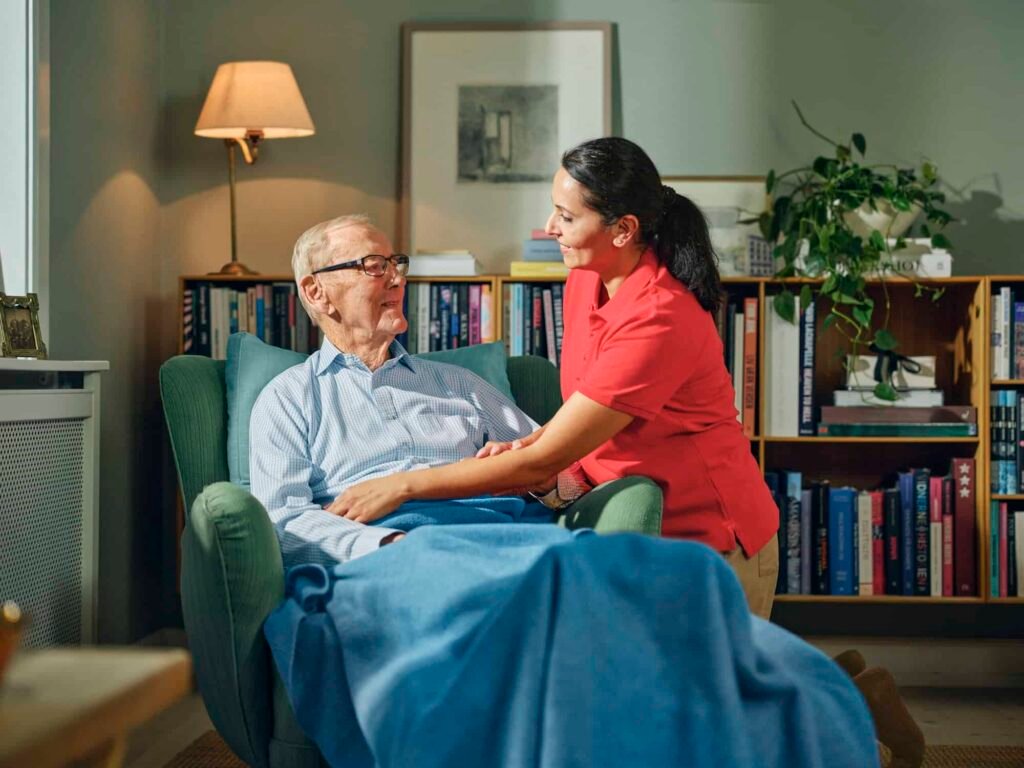
Live-in home care offers 24/7 personal assistance, safety, and companionship, with rotating caregivers ensuring consistent, structured support for clients needing day-and-night help at home.
Urinary Tract Infections in Elderly Patients

UTIs in elderly patients often show subtle symptoms like confusion or fatigue. Early detection, proper hygiene, hydration, and timely treatment are key to preventing complications.
Let’s Go For a Drive
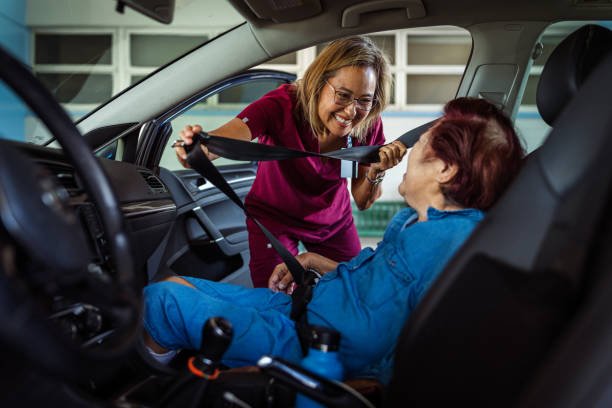
A Sunday drive offers seniors relaxation, independence, and nostalgia—reconnecting them with memories, familiar places, and personal history, even as the world around them changes.
Hygiene Issues Among the Elderly

Elderly hygiene declines due to depression, fear, memory loss, or control. Compassion, routines, tools, and respectful care help maintain dignity, health, and cleanliness.
Free Home Care for Veterans

Divine Home Care helps Veterans access VA Aid & Attendance benefits, offering in-home support for daily living, ensuring dignity, safety, and independence for aging heroes.
Medical and Legal Power of Attorney for Elderly Seniors

POAs ensure elderly seniors’ healthcare and financial wishes are honored. Early planning protects dignity, prevents confusion, and allows trusted agents to act during incapacity.
McLennan County Alzheimer’s Expo
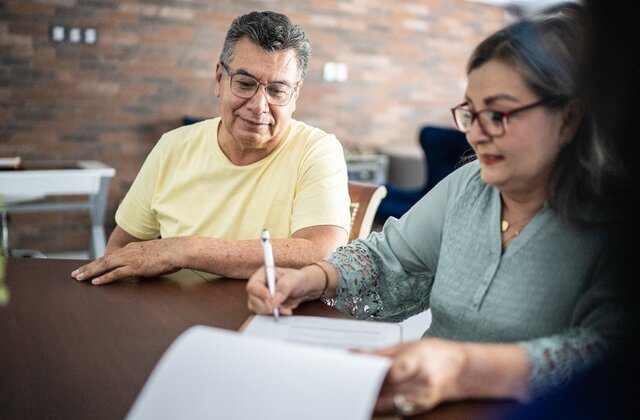
The Alzheimer’s Expo united Waco’s community, caregivers, and experts for impactful education, resources, and support—highlighting local commitment to Alzheimer’s care, awareness, and collaboration.
Ministrokes: Understanding, Recognizing, and Responding

Ministrokes are temporary, stroke-like episodes signaling serious risk. Recognizing symptoms, seeking urgent care, and managing risk factors are vital for prevention, especially in older adults.